Why Boko Haram and ISWAP Kill Christians and Muslims
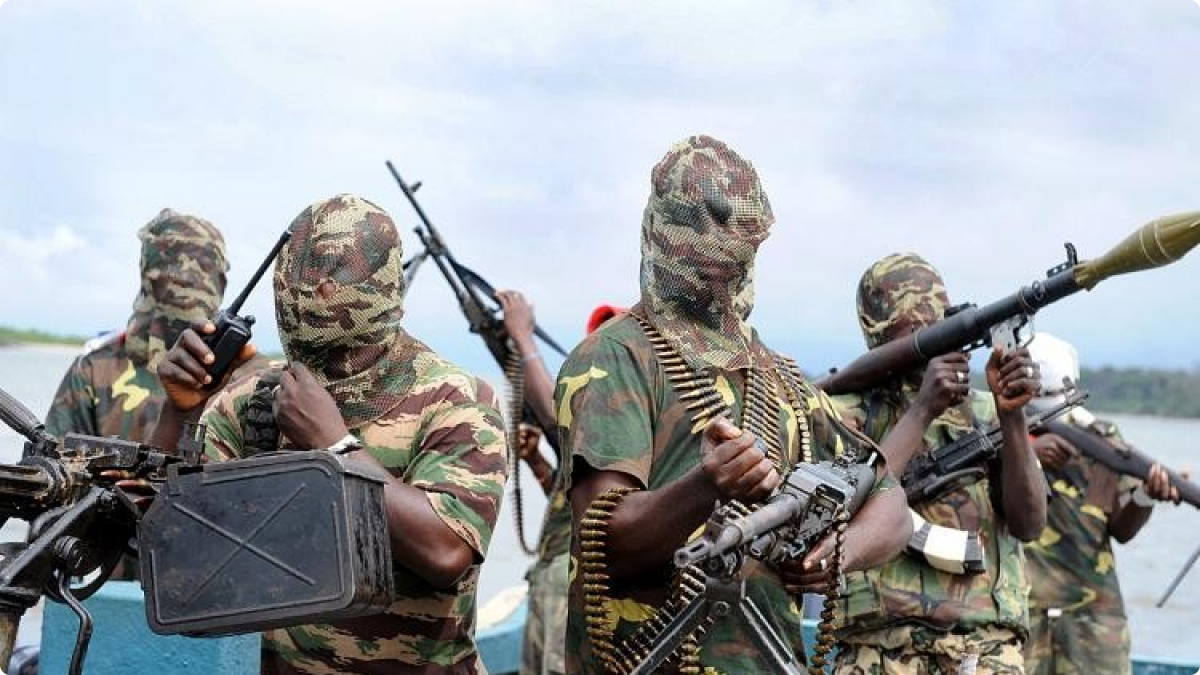
When we hear that Boko Haram and the Islamic State West Africa Province (ISWAP) are killing Christians, it’s often assumed their attacks are purely anti-Christian. But according to the National Human Rights Commission (NHRC), the reality is more complex: Boko Haram and ISWAP kill Christians and Muslims. The NHRC’s Executive Secretary, Tony Ojukwu (SAN), says the motive is rooted in extremist ideology and a bid to Islamise Nigeria. Let’s unpack what that means, why both Christians and Muslims end up as victims, and what it tells us about fighting these groups.
In a presentation of its October 2025 human-rights dashboard, Tony Ojukwu said that Boko Haram and ISWAP aim to forcefully Islamise the country. He noted the groups don’t just hate Christians — they also view Muslims who don’t accept their views as “non-believers” and legitimate targets.
So the pattern goes like this:
-
They insist on an extreme interpretation of Islam that overrides other belief systems.
-
They label Muslims who disagree with them or live under what they view as “secular” rule as apostates.
-
They thus attack mosques and churches alike — because the target is not just faith, but the refusal to accept their ideology. Ojukwu emphasised that attacks on mosques prove they’re not simply anti-Christian.
In short: the phrase Boko Haram and ISWAP kill Christians and Muslims is accurate because, from their perspective, any person who doesn’t align with their extremist worldview becomes an enemy.
It may seem counter-intuitive, but many of the victims are Muslims. Because Boko Haram and ISWAP view certain Muslims as traitors—those who reject their rule, collaborate with the government, or maintain “Western” ways—they become targets. Reports from previous years show that Boko Haram factions regularly killed Muslims they accused of siding with the state.
Christians are hit because they clearly don’t submit to the Islamist narrative the group pushes. Christian worship, churches, and public expressions of Christianity are all considered opposition. That’s been widely documented across several Nigerian communities.
-
Both victims (Christians and “non-aligned” Muslims) represent a refusal—either of their ideology or of compliance with their territorial ambitions.
-
The violence serves multiple aims: spreading fear, showing control, destabilising communities, and forcing allegiance.
-
The NHRC highlights the point: the common enemy is Boko Haram’s ideology, not a particular religion.
When a group targets both Christians and Muslims, that demands a different kind of response:
-
Broader Protection: The government’s security strategy must protect all civilians, regardless of faith. Focusing only on one group leaves others vulnerable.
-
Intelligence and Ideological Work: Since the conflict is about belief and allegiance as much as territory or bodies, counter-terrorism needs to address the ideological appeal and recruitment of these groups.
-
Community Cohesion: Attacks on both Muslims and Christians can be exploited to drive sectarian divisions. Nigeria must resist framing the fight as “Muslims vs Christians” when the perpetrators are extremist militants.
-
International Pressure: The United States has raised alarms, threatening intervention over persecution of Christians. The NHRC sees this as a moment for Nigeria’s government to reassess and strengthen its anti-terrorist measures.
Imagine a small town in northeastern Nigeria: a mosque and a church stand not far from each other. Boko Haram militants arrive, accusing the mosque congregation of collaborating with the government and the church of refusing Sharia law. They bomb the mosque, then burn the church, forcing the entire community to flee. Some Muslims were killed; so were Christians. The group plants the idea: your only safe option is joining us. That story—tragic though it is—matches many reported incidents across the region.
The keyphrase Boko Haram and ISWAP kill Christians and Muslims describes more than two religious groups as victims—it captures the fact that these extremist groups target anyone who does not conform to their ideology. The message from the NHRC and its Executive Secretary Tony Ojukwu is clear: to counter the violence effectively, Nigeria must reject simplistic narratives, protect everyone, and tackle the ideology as well as the bullets. Faith-based identities matter, but the root problem is extremist group identity demanding total submission.
About adminemytrends
adminemytrends is a contributor to our publication, bringing expertise and insights to our readers.